
 By gamerforge57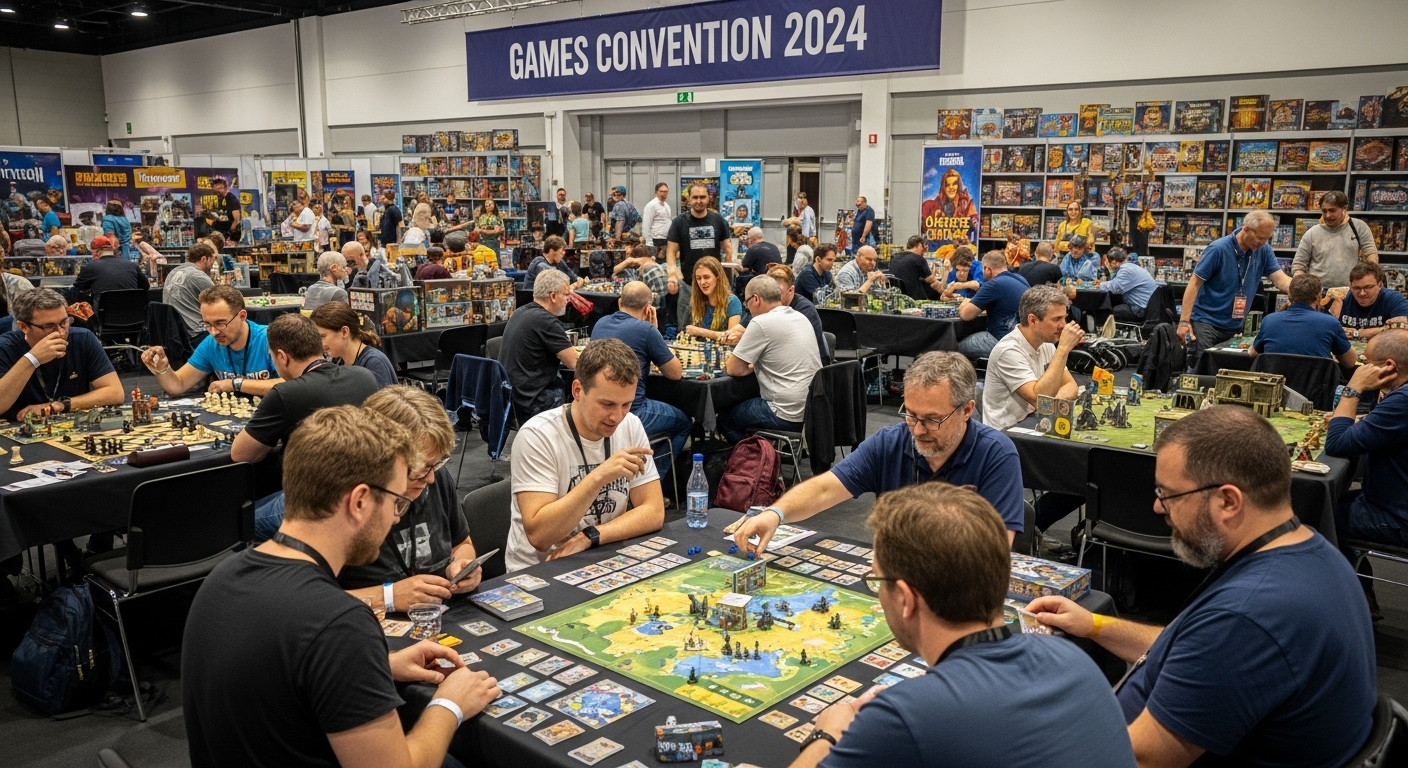
Introduction
Games have always been more than a pastime. From ancient civilizations playing board games carved on stone to today’s complex digital worlds, games have evolved into one of the most powerful forms of human expression and entertainment. They bring joy, sharpen the mind, foster competition, and connect people across the globe. Whether it’s a simple puzzle, a thrilling video game, or a strategic sport, games are an essential part of human culture.
In the modern era, gaming is not only a hobby but a thriving global industry that influences art, technology, education, and even mental health. This blog explores the fascinating journey of games, their impact on society, and why they continue to be an integral part of our lives.
The Ancient Origins of Gaming
Long before digital screens and consoles, people found ways to entertain themselves through play. Archaeological findings reveal that games have existed for thousands of years. The Royal Game of Ur, played in ancient Mesopotamia around 2600 BCE, is one of the earliest known board games. Similarly, ancient Egyptians enjoyed Senet, a game believed to have spiritual significance, representing the journey to the afterlife.
These early games were not merely for leisure; they carried cultural and religious meaning. They taught strategy, patience, and social interaction. Over centuries, traditional games such as chess, Go, and backgammon emerged, combining skill and intellect in ways that are still celebrated today. The roots of gaming demonstrate that the desire to play is deeply ingrained in human nature—a universal language that transcends time and culture.
The Rise of Digital Gaming
The late 20th century marked a turning point in the history of games with the advent of digital technology. What began as simple pixelated adventures in the 1970s soon evolved into complex, immersive experiences. The release of arcade classics like Space Invaders and Pac-Man introduced millions to the thrill of electronic gaming. These early games sparked a revolution that forever changed the entertainment landscape.
By the 1980s and 1990s, home gaming consoles such as the Nintendo Entertainment System, Sega Genesis, and PlayStation transformed living rooms into virtual playgrounds. Players could now embark on epic adventures without leaving home. The introduction of personal computers further expanded the possibilities, giving rise to strategy, simulation, and role-playing games that challenged both the mind and imagination.
Today, digital gaming encompasses a vast array of genres and platforms. From mobile apps and handheld devices to advanced consoles and virtual reality systems, the variety of experiences available is endless. Games have become a cornerstone of modern culture, merging technology, art, and storytelling into a form of interactive entertainment that appeals to all ages.
The Power of Storytelling in Games
Modern games are no longer just about winning or achieving high scores—they are about storytelling. Developers have mastered the art of creating emotionally engaging narratives that rival those found in books and films. Games like adventure sagas, fantasy role-playing epics, and interactive dramas allow players to make choices that shape the story’s outcome.
This element of interactivity creates a unique connection between the player and the game world. Unlike passive forms of entertainment, games empower players to influence the story, making each experience personal and memorable. Story-driven games have also given rise to beloved characters and universes that inspire fan communities, art, and even movies.
Through storytelling, games can explore deep themes such as morality, friendship, sacrifice, and identity. They allow players to experience different perspectives and make ethical decisions in simulated worlds—lessons that often resonate in real life.
The Psychological and Social Benefits of Gaming
Contrary to old misconceptions that gaming is merely a distraction, research and experience show that playing games offers numerous benefits. Cognitive skills such as problem-solving, memory, and strategic thinking are often enhanced through gameplay. Many games require quick reflexes, spatial awareness, and the ability to adapt to changing conditions, all of which stimulate the brain.
Socially, gaming connects people in unprecedented ways. Online multiplayer platforms allow individuals from different parts of the world to collaborate, compete, and build friendships. Team-based games encourage communication, coordination, and leadership skills, mirroring real-world teamwork scenarios.
Moreover, gaming provides an emotional outlet and a way to cope with stress. Immersing oneself in a virtual environment can offer relaxation and escapism, allowing players to unwind and recharge. Games can also foster creativity, as players often engage in world-building, character creation, and storytelling within the gaming space.
The Competitive World of Esports
One of the most exciting modern developments in gaming is the rise of esports. Competitive gaming has evolved from local tournaments to global events watched by millions. Professional players train rigorously, strategize with teams, and compete for substantial prizes. Esports has transformed gaming into a legitimate career path, blending athletic discipline with digital skill.
The appeal of esports lies in its intensity and community spirit. Fans cheer for their favorite teams and players, much like traditional sports. Games such as strategy titles, battle royales, and first-person shooters dominate the esports scene, offering fast-paced action and high stakes.
Esports organizations now function like professional sports clubs, complete with coaches, analysts, and sponsors. This evolution has also opened up opportunities in broadcasting, event management, marketing, and technology, expanding gaming’s influence across multiple industries.
Games as a Tool for Education and Learning
Beyond entertainment, games have found an important role in education. Educational games and gamified learning platforms use interactive experiences to teach complex subjects in engaging ways. Students can learn history through historical simulations, improve language skills through storytelling games, or explore science through virtual experiments.
The interactive nature of games helps learners retain information more effectively. When learning feels like play, motivation increases, and understanding deepens. Teachers and developers are increasingly integrating game mechanics—such as levels, rewards, and challenges—into educational systems to make learning more dynamic.
Serious games, which are designed for training or educational purposes, are used in various fields including medicine, military, and business. They allow professionals to simulate real-world scenarios safely and gain practical experience through virtual environments.
The Role of Technology in Modern Gaming
Technology continues to drive gaming’s evolution. Powerful hardware, cloud computing, and artificial intelligence have revolutionized how games are created and experienced. High-definition graphics and realistic physics engines make virtual worlds come alive with detail and depth.
Virtual Reality (VR) and Augmented Reality (AR) have taken immersion to new heights. Players can now step inside the game, interact physically, and experience the environment in three dimensions. Meanwhile, cloud gaming services allow users to stream games directly without expensive consoles or hardware, making high-quality gaming more accessible than ever.
Artificial intelligence is also enhancing gameplay by creating smarter opponents, adaptive environments, and personalized challenges. Game developers use AI to predict player behavior, balance difficulty levels, and craft experiences that evolve with the individual. These technological innovations continue to expand the boundaries of what games can achieve.
The Cultural Impact of Games
Games have become an undeniable part of modern culture. They influence fashion, music, art, and even language. Iconic characters and franchises have achieved legendary status, shaping childhoods and inspiring creativity worldwide. Conventions and gaming events celebrate these cultural milestones, bringing together communities that share a passion for play.
Moreover, gaming has inspired countless fan creations—artwork, music, videos, and even cosplay. It serves as a platform for self-expression and creativity. In many ways, games have become a cultural bridge, connecting people from different backgrounds through shared experiences and common interests.
Gaming also reflects society’s values and issues. Many modern titles address topics such as environmental awareness, mental health, diversity, and equality. By engaging players emotionally and intellectually, games have become a medium for storytelling that goes beyond entertainment—they are tools for reflection and social commentary.
The Future of Games
The future of gaming is filled with limitless possibilities. As technology evolves, so will the way we play and interact. The integration of artificial intelligence, augmented reality, and virtual reality will lead to even more immersive and intelligent experiences. The metaverse concept—shared virtual spaces where players can socialize, create, and play—could redefine how we perceive games entirely.
Mobile gaming will continue to dominate due to its accessibility, while indie developers will push creative boundaries with innovative and unique experiences. Cloud technology will make high-end gaming available to everyone, eliminating hardware limitations.
Moreover, as gaming communities grow, inclusivity and diversity will take center stage. Developers are focusing on creating spaces that welcome players of all identities and backgrounds, ensuring that gaming remains a universal and positive force for everyone.
Conclusion
Games have traveled a long and fascinating journey—from ancient stones to digital screens, from simple amusement to cultural phenomenon. They entertain, educate, connect, and inspire. In every era, games have mirrored the creativity and curiosity of humanity.
Whether played for fun, learning, or competition, games hold the power to bring people together, spark imagination, and push the limits of what’s possible. As technology continues to evolve, the world of gaming will expand even further, blending reality and fantasy in ways we can only begin to imagine.
In the end, games remind us of something deeply human—the joy of play. They show that no matter how advanced our world becomes, the spirit of fun, challenge, and connection will always remain at the heart of who we are.