
 By gamerforge57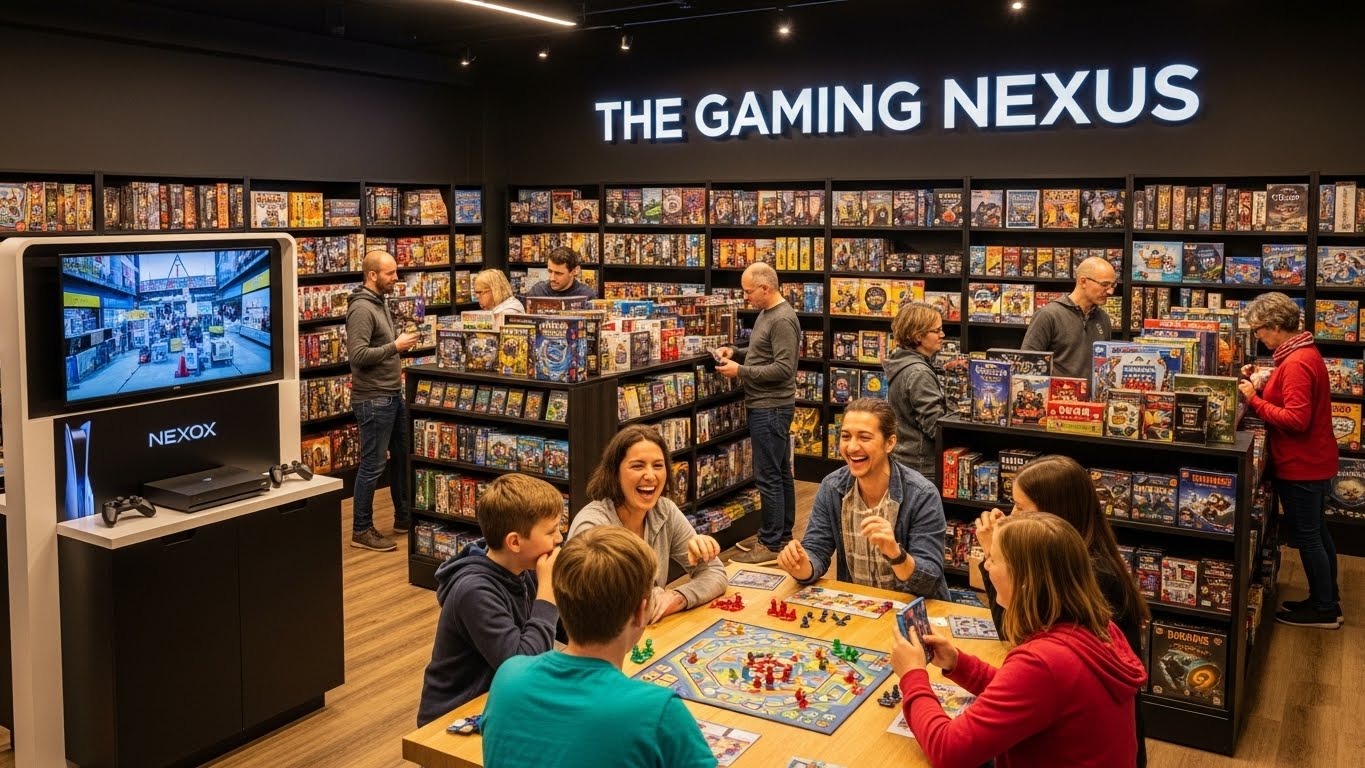
Introduction: The Magic of Games
Games have been an integral part of human culture for centuries. From ancient board games played in royal courts to modern video games that connect millions of players worldwide, games have always provided a unique blend of entertainment, challenge, and social interaction. They are more than just a way to pass time; they stimulate the mind, teach valuable skills, and often create communities of passionate enthusiasts. In this blog post, we will explore various types of games, their evolution, and why they continue to captivate players of all ages.
The Evolution of Games
Games have evolved significantly over time, reflecting the changing technologies, cultures, and interests of society. Ancient civilizations had simple games like Senet in Egypt, which dates back over 5,000 years, and the Royal Game of Ur in Mesopotamia. These early games were often strategic and symbolic, offering insights into social hierarchies, religion, and culture.
With the invention of playing cards in China and chess in India, games became more complex, emphasizing strategy and foresight. The industrial era brought about board games like Monopoly and Scrabble, designed for mass entertainment and family gatherings. Eventually, the digital age revolutionized gaming, giving birth to video games, online multiplayer experiences, and interactive mobile apps. Today, games are a multi-billion-dollar industry, continuously innovating to offer immersive experiences.
Board Games: The Classic Charm
Board games are timeless. They bring people together, encourage face-to-face interaction, and challenge players to think critically. Popular board games such as chess, Risk, and Settlers of Catan are more than just a pastime—they are exercises in strategy, negotiation, and problem-solving. Chess, for instance, demands patience, foresight, and analytical thinking, while Risk challenges players to manage resources, form alliances, and anticipate opponents’ moves.
Board games have also expanded beyond traditional designs. Modern board games often include intricate storylines, elaborate components, and cooperative gameplay, where players must work together to achieve common goals. This shift in design reflects a growing desire for deeper engagement, social interaction, and mental stimulation in gaming.
Video Games: Digital Worlds of Adventure
Video games have transformed the way we experience play. Unlike board games, video games offer dynamic worlds where players can explore vast landscapes, complete complex missions, and interact with other players globally. Video games can be categorized into several genres, including action, adventure, role-playing, simulation, and strategy. Each genre offers unique challenges and experiences, catering to diverse player preferences.
Action games test reflexes and coordination, while role-playing games (RPGs) allow players to immerse themselves in fictional characters and storylines. Simulation games like flight simulators or city-building games mimic real-world scenarios, providing learning opportunities alongside entertainment. Strategy games, on the other hand, demand critical thinking and long-term planning, often reflecting historical or fantasy-based conflicts.
Mobile Gaming: Entertainment on the Go
The rise of smartphones has made mobile gaming one of the fastest-growing sectors in the gaming industry. Mobile games offer accessibility and convenience, allowing players to engage with games anytime, anywhere. Popular mobile games often feature quick, engaging gameplay, making them ideal for short breaks or commutes.
Mobile gaming has also introduced innovative mechanics like augmented reality (AR), where players interact with digital elements overlaid onto the real world. Games like these blur the line between virtual and physical experiences, creating immersive adventures that are both entertaining and innovative. Mobile gaming appeals to a wide audience, from casual players seeking quick fun to dedicated enthusiasts who invest significant time in mastering complex challenges.
Multiplayer Games: Building Communities
Multiplayer games have redefined social interaction within gaming. Online multiplayer games allow players to connect globally, forming friendships, rivalries, and collaborative teams. Massive multiplayer online role-playing games (MMORPGs) like World of Warcraft create vast virtual worlds where thousands of players interact simultaneously, undertaking quests, battling enemies, and building communities.
Esports, or competitive gaming, has further elevated multiplayer gaming. Players compete at professional levels in tournaments watched by millions worldwide. Esports emphasizes skill, strategy, and teamwork, offering players both entertainment and recognition. Beyond competition, multiplayer games foster cooperation, communication, and social bonds, making gaming a shared experience rather than a solitary activity.
Educational Games: Learning Through Play
Games are not only a source of entertainment; they are powerful educational tools. Educational games combine fun with learning, helping players develop cognitive skills, knowledge, and critical thinking abilities. For example, puzzle games improve problem-solving skills, while strategy games enhance planning and resource management abilities.
Digital educational games are widely used in classrooms to engage students in interactive learning. Math games, language learning apps, and history simulations turn traditional subjects into interactive experiences, making learning enjoyable and effective. Gamification, the application of game design elements in non-game contexts, further illustrates how games can motivate behavior, teach skills, and encourage goal achievement.
Physical and Outdoor Games: Active Fun
While digital games dominate modern entertainment, physical and outdoor games remain essential for health and social development. Sports like football, basketball, and tennis combine physical exercise with strategic thinking and teamwork. Traditional outdoor games like tag, hide-and-seek, or hopscotch promote physical fitness, coordination, and creativity among children.
Physical games also encourage social interaction, teaching players important life skills such as communication, collaboration, and leadership. They balance the sedentary nature of digital gaming, reminding players that movement and exercise are integral to a well-rounded lifestyle.
The Psychological Benefits of Gaming
Games are not just fun—they have measurable psychological benefits. Playing games can reduce stress, improve mood, and enhance cognitive abilities. Strategy games stimulate the brain, improving memory, attention, and decision-making skills. Cooperative and multiplayer games encourage empathy, communication, and conflict resolution.
Games also provide a sense of accomplishment and motivation. Completing a challenging level or achieving a high score releases dopamine, the brain’s “feel-good” chemical, rewarding players and encouraging further engagement. For many, games offer a safe space for experimentation, problem-solving, and personal growth, blending entertainment with mental wellness.
The Future of Gaming
The future of gaming promises even more innovation and immersion. Emerging technologies such as virtual reality (VR), augmented reality (AR), and artificial intelligence (AI) are transforming how games are designed and experienced. VR creates fully immersive worlds, allowing players to interact with environments in unprecedented ways. AR integrates digital elements into the real world, offering experiences that combine physical and virtual play. AI enhances game intelligence, creating adaptive challenges and dynamic storylines that respond to player choices.
Additionally, the gaming industry is expanding its focus on inclusivity and accessibility, ensuring that players of all abilities can enjoy games. Cloud gaming and streaming platforms are making high-quality games accessible without expensive hardware, democratizing access and allowing more people to participate in gaming communities.
Conclusion: Games as a Cultural Phenomenon
Games are more than mere entertainment—they are a reflection of human creativity, culture, and social interaction. They challenge the mind, foster communities, and offer experiences that blend imagination with reality. Whether through board games, video games, mobile apps, or outdoor activities, games have a universal appeal that transcends age, geography, and background.
As technology continues to evolve, games will grow more immersive, educational, and socially engaging. They will remain a powerful tool for learning, collaboration, and entertainment, proving that the magic of play is timeless. In exploring games, we discover not just joy, but also the boundless potential of human imagination and connection.