 By gamerforge57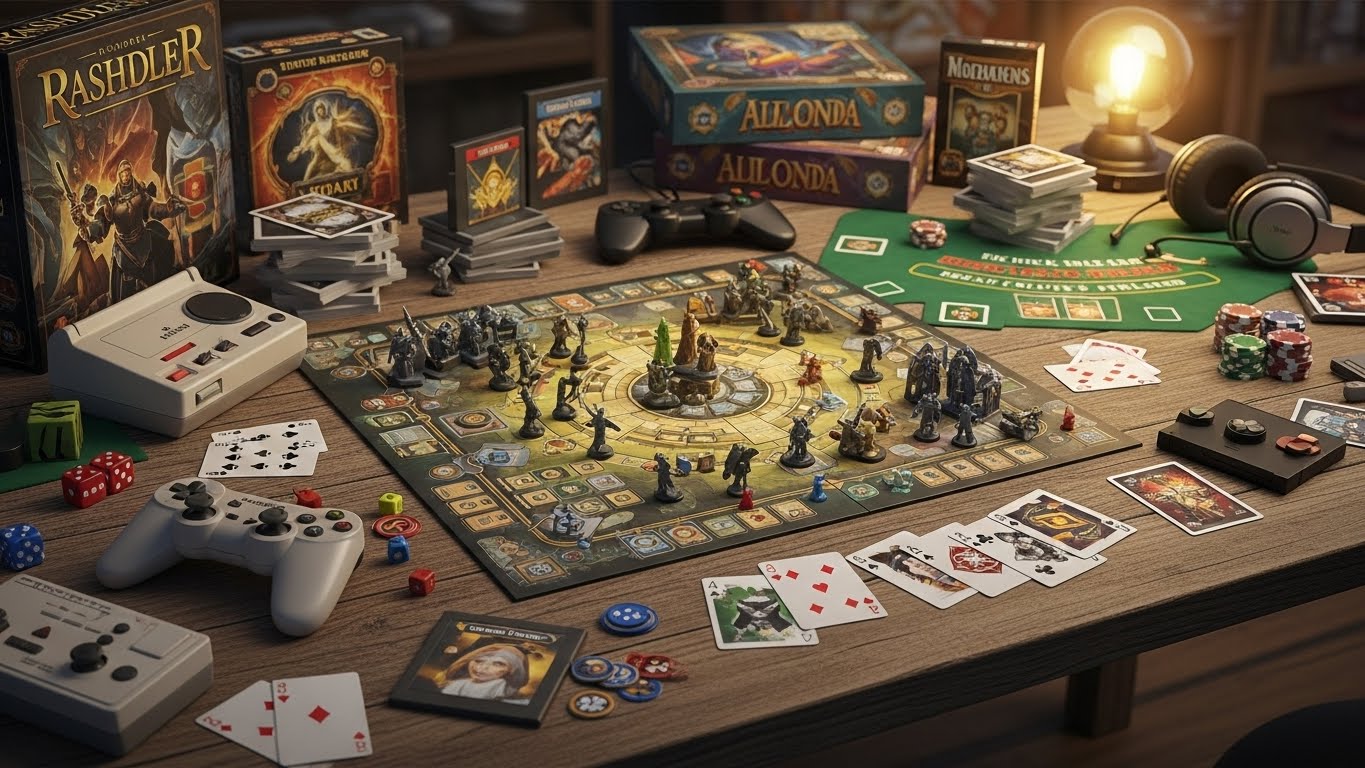
Introduction to the World of Games
Games have been part of human culture since the beginning of civilization. From ancient board games carved into stone to the visually stunning digital worlds we explore today, games have constantly evolved, reshaping the way we play, learn, connect, and imagine. What was once a simple form of recreation has grown into one of the most powerful and influential forms of entertainment in the modern world. As technology advances, the boundaries of what games can be continue to expand, offering new experiences for players of every age and background. The world of games is more than fun; it is a universe of creativity, storytelling, competition, and community.
The Evolution of Games Through History
Long before digital screens dominated our lives, games existed as a form of social bonding and strategic challenge. Ancient civilizations played board games to sharpen their minds and pass down cultural traditions. Classics like Chess and Go shaped the way people think about tactics, logic, and long-term planning.
The twentieth century saw a revolution with the introduction of arcade machines and early home consoles. These simple games captured imaginations, and families gathered around televisions to enjoy the excitement of early digital entertainment. The jump from 2D sprites to modern 3D environments transformed gaming into an immersive experience, making it possible to explore detailed worlds, battle mythical creatures, and become heroes in epic adventures.
The history of games reflects human creativity and the constant desire to explore new frontiers. Each generation pushes the medium further, proving that games are endlessly adaptable.
Why Games Matter in Modern Society
In today’s world, games hold a major place in global culture. They entertain billions of people and offer a form of escape from the stresses of everyday life. Games provide a safe environment where players can try new roles, experiment with ideas, and challenge themselves. They allow people to express creativity, build friendships, and experience emotions similar to those found in literature or film.
Games also help develop essential skills. They sharpen critical thinking, problem-solving, and hand-eye coordination. Many players learn teamwork, leadership, and communication through cooperative gameplay. These experiences demonstrate that games go far beyond simple play; they are powerful tools for personal growth and social interaction.
The Different Types of Games and What Makes Them Special
One of the most exciting aspects of gaming is the incredible variety available. There are games for every interest, mood, and skill level. Each category offers a unique experience.
Action games challenge reflexes and timing, creating fast-paced excitement and adrenaline. Adventure games focus on exploration, story, and puzzle-solving, inviting players into rich worlds full of mystery. Role-playing games allow players to shape their own characters, make choices, and build narratives filled with consequences. Strategy games test planning, resource management, and long-term thinking, appealing to players who enjoy mental challenges.
Simulation games mirror real-life activities, letting players run businesses, build cities, or care for virtual characters. Casual games offer relaxed, easy-to-learn experiences perfect for unwinding. Meanwhile, competitive games ignite excitement with head-to-head challenges that reward skill and mastery.
The diversity of games ensures that there is always something new to explore, making the medium endlessly fascinating.
The Art of Game Design and Storytelling
Behind every great game is a team of designers, artists, and storytellers working to bring an idea to life. Game design blends creativity with technical skill, balancing challenge, emotion, and engagement. Great games captivate players not just with mechanics, but with worlds that feel alive, stories that inspire, and characters that resonate.
Storytelling in games offers a level of immersion unmatched by other media. Players don’t just watch a story—they participate in it. They make decisions, shape outcomes, and form emotional connections with characters. This interactivity allows for deeper engagement and personal attachment.
Every element of a game, from music to visuals to gameplay flow, must work together seamlessly. When done well, the result is a masterpiece that stays with players long after the game ends.
The Social Power of Games and Community Building
One of the most transformative aspects of modern gaming is the sense of community it creates. Multiplayer worlds bring people together across continents, forming friendships and rivalries alike. Players team up to complete missions, compete in tournaments, and build memories that feel just as meaningful as those created in the physical world.
Games create shared experiences that unite people with different backgrounds, languages, and cultures. Families bond over gaming nights, friends stay connected through cooperative play, and global players interact in virtual spaces. Online communities grow around favorite games, shaping discussions, creating fan art, and celebrating achievements.
The social impact of games demonstrates their ability to bring people together in ways that were never possible before.
Games as a Learning and Development Tool
Educational gaming is becoming increasingly popular because it blends fun with learning. Games designed for education make it easier for students to absorb information by engaging multiple senses and providing instant feedback. Players learn math, language, science, and history through interactive challenges that encourage curiosity and exploration.
Even games not intended for education can strengthen important skills. Problem-solving, creativity, adaptability, and strategic thinking are all enhanced through gameplay. Many games require teamwork, encouraging communication and cooperation in order to succeed.
Schools and universities recognize the value of gaming and integrate it into learning environments. As a result, games are reshaping the way students understand and interact with information.
The Competitive Side of Games and the Rise of Esports
Competition is a natural part of gaming. Whether in friendly matchups or professional tournaments, players enjoy testing their skills against others. Esports has taken competitive gaming to new heights, creating global leagues and events watched by millions.
Professional players train rigorously, strategize with teams, and perform under intense pressure. These athletes demonstrate how games can become a serious competitive discipline requiring focus, reflexes, and mental strength. Fans follow esports teams with the same enthusiasm as traditional sports, cheering for their favorite players and celebrating big victories.
The growth of esports shows that games are more than entertainment—they are a major competitive force shaping modern culture.
How Technology Continues to Transform Gaming
The future of games is constantly being shaped by technological innovation. High-powered processors, advanced graphics, and realistic physics have elevated games to stunning levels of immersion. Virtual reality offers entirely new ways to experience digital worlds, allowing players to step inside environments and interact with them physically.
Artificial intelligence makes non-player characters smarter and more lifelike. Augmented reality adds digital elements to the physical world, blending the two seamlessly. Cloud gaming allows players to enjoy advanced experiences without expensive hardware, making gaming more accessible than ever.
Technology ensures that gaming continues evolving, offering experiences that were once considered impossible.
The Influence of Games on Creativity and Self-Expression
Games provide a creative outlet for millions of people. Many games allow players to design their own characters, build landscapes, or customize entire worlds. Sandbox games, in particular, encourage creativity by offering limitless tools for creation.
Players can tell stories, build structures, compose music, or even design their own mini-games within larger titles. This freedom turns gaming into a canvas where imagination can flourish.
Beyond in-game creativity, games inspire real-world art, music, writing, and design. Entire careers are born from the love of gaming, from professional development to content creation.
The Importance of Balance and Healthy Gaming Habits
While games offer countless benefits, it is important to maintain healthy habits. Gaming should be balanced with exercise, rest, and real-life responsibilities. Setting time limits, taking breaks, and staying connected to the physical world ensures that gaming remains a fun and positive experience.
Games can be part of a healthy lifestyle when enjoyed responsibly. They provide entertainment, social interaction, and stress relief—but like any activity, moderation is key.
The Cultural Impact of Games Around the World
Games reflect and influence global culture in powerful ways. Characters, storylines, and worlds from popular games become part of everyday conversation. Fashion, music, and film often draw inspiration from gaming trends. Entire generations grow up with shared gaming memories that shape their identity.
Games cross cultural boundaries. They introduce players to new ideas, traditions, and perspectives. Through gaming, people learn about different lifestyles and experiences in a way that feels natural and engaging.
The cultural impact of games is profound and continues to expand with every new generation.
The Future of Games: Endless Possibilities
The future of gaming is bright and limitless. As technology evolves, games will become even more immersive, interactive, and accessible. Players will explore worlds that feel incredibly real, experience stories tailored to their choices, and connect with others in new and meaningful ways.
The merging of virtual and physical experiences will create entirely new types of games. Artificial intelligence will make game characters more realistic, while virtual reality will make players feel physically present in digital worlds.
Games will continue to push boundaries, shaping the future of entertainment and human creativity.
Conclusion: Why Games Will Always Matter
Games are more than toys or pastimes—they are a vital part of human expression. They inspire imagination, build skills, strengthen relationships, and reflect the world around us. From ancient board games to modern digital adventures, games have always played a key role in shaping culture and bringing people together.
As the world continues to change, games will remain a powerful and evolving medium. They offer joy, challenge, creativity, and connection. They remind us that play is an essential part of life, no matter how old we are.