
 By gamerforge57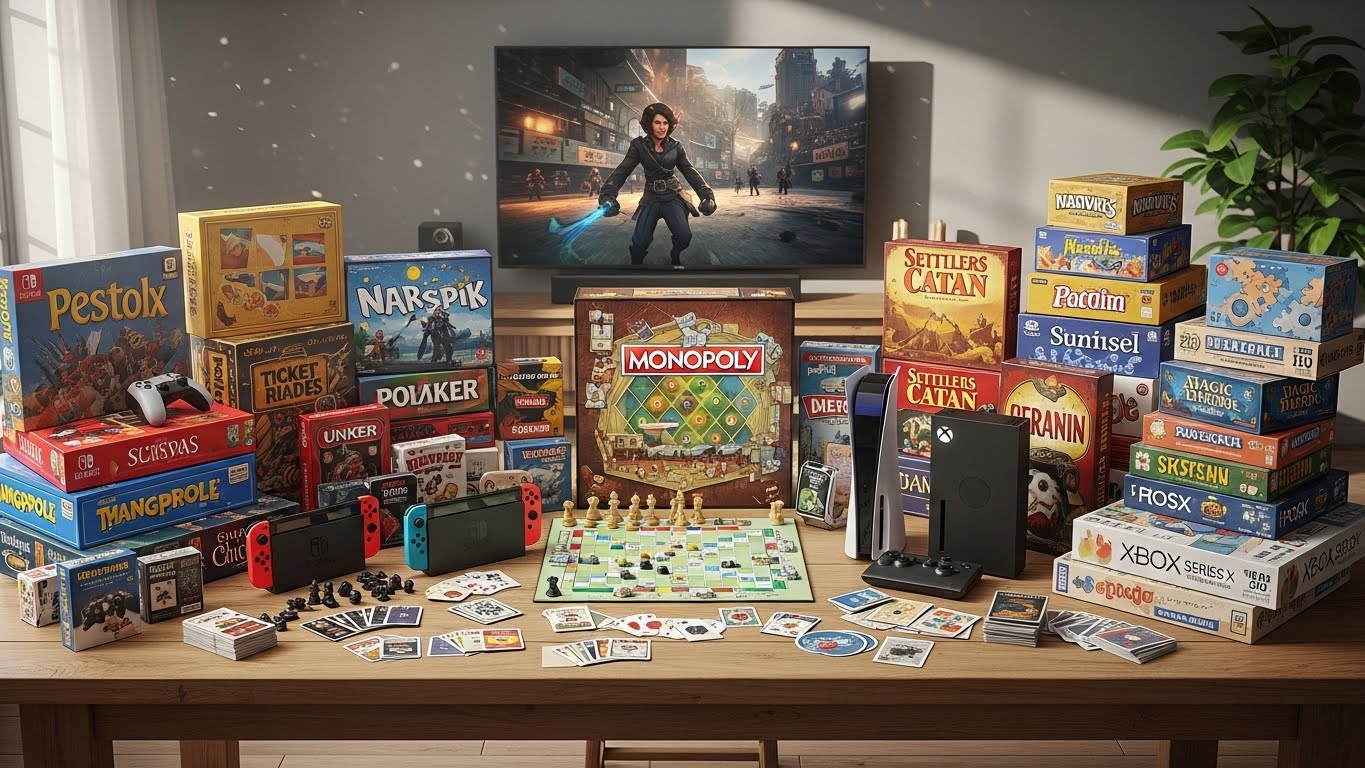
Video games have evolved from simple pixelated pastimes into one of the most influential and profitable industries in the world. Whether you’re a casual player or a hardcore gamer, it’s hard to ignore the global impact of gaming today. What started as a hobby for a niche group of people has blossomed into an entertainment juggernaut that transcends age, gender, and geography. In this blog post, we will explore the fascinating world of gaming, from its humble beginnings to its current dominance in both culture and commerce. We will look at the technological advancements that have shaped gaming, the different types of games that appeal to various audiences, and the future trends that promise to redefine how we experience gaming in the years to come.
The Evolution of Video Games
The history of video games is a story of constant innovation. From the first arcade machines in the 1970s to today’s hyper-realistic, open-world games, gaming technology has advanced at a breathtaking pace. In the early days, video games were simple, with basic graphics and straightforward gameplay. Pong, released in 1972, was one of the first commercially successful arcade games, featuring simple paddle controls and basic graphics that were groundbreaking for the time.
The 1980s saw the rise of home consoles like the Atari 2600 and the Nintendo Entertainment System (NES), which brought gaming into people’s living rooms. These consoles allowed players to enjoy games like Super Mario Bros. and Pac-Man without needing to visit an arcade. The introduction of the graphical user interface in the 1990s and the rise of 3D graphics with the release of consoles like the Sony PlayStation and the Nintendo 64 marked a new era in gaming. The early 2000s saw the rise of online multiplayer games and the shift toward digital distribution, with platforms like Xbox Live, Steam, and PlayStation Network allowing players to connect and play with others across the globe.
Today, gaming encompasses a wide range of platforms and genres, with consoles, PCs, and mobile devices all playing a part in delivering entertainment to millions. The technology behind gaming has come so far that it’s now possible to experience hyper-realistic virtual worlds with the help of virtual reality (VR) and augmented reality (AR). But despite all the technological advancements, one thing remains constant: the thrill of playing and the joy of interactive entertainment.
The Different Types of Games: Something for Everyone
The world of gaming is vast, with a multitude of genres and styles designed to cater to all kinds of players. Whether you’re into fast-paced action, thoughtful strategy, or immersive storytelling, there’s a game for every taste. Let’s break down some of the most popular gaming genres and explore why they appeal to such a diverse audience.
Action and Adventure Games
Action and adventure games are often characterized by their focus on physical challenges, combat, and exploration. These games tend to emphasize quick reflexes, problem-solving, and story-driven narratives. Popular examples include The Legend of Zelda, Uncharted, and Tomb Raider. These games typically feature characters embarking on epic quests, facing dangerous foes, and solving puzzles to progress.
Adventure games often prioritize storytelling, with narratives that immerse players in rich, fictional worlds. The Assassin’s Creed series, for example, blends historical fiction with action-packed gameplay, allowing players to explore famous cities and engage in stealth-based combat. Action-adventure games are perfect for players who love both exploration and intense gameplay.
Role-Playing Games (RPGs)
Role-playing games (RPGs) are all about immersion. In RPGs, players take on the role of a character and navigate through a story-driven world where choices matter. These games typically feature deep narratives, character development, and turn-based or real-time combat systems. Players may customize their characters’ abilities, appearance, and skill sets, making RPGs unique to each player’s preferences.
Classic RPGs like Final Fantasy and The Elder Scrolls series are beloved for their expansive worlds and complex storylines. More recent titles, such as The Witcher 3: Wild Hunt, have pushed the boundaries of storytelling and world-building, offering players vast, open-world environments to explore and interact with. Whether it’s fantasy, science fiction, or historical settings, RPGs provide an immersive experience for players who enjoy creating their own adventure.
First-Person Shooters (FPS)
First-person shooters (FPS) are some of the most action-packed games on the market, known for their focus on fast-paced combat and strategy. These games are played from a first-person perspective, meaning players see the world through the eyes of their character. The core of FPS games revolves around gunplay, teamwork, and tactical decision-making.
Franchises like Call of Duty, Halo, and Overwatch have made FPS games some of the most popular titles globally, especially in competitive esports. FPS games are often played online, with players competing against each other in team-based or free-for-all modes. The emphasis on quick reflexes and coordination makes FPS games exciting for players who crave adrenaline-filled experiences.
Sports and Racing Games
Sports and racing games provide virtual versions of real-world activities. From soccer and basketball to car racing and snowboarding, these games allow players to simulate real-life sports and compete either solo or with others. Sports games like FIFA, NBA 2K, and Madden NFL let players take control of their favorite teams or athletes, while racing games like Forza Horizon and Gran Turismo deliver high-speed thrills on the virtual racetrack.
For sports enthusiasts who enjoy a challenge, these games offer a realistic experience that closely mirrors real-life competitions. Racing games, in particular, allow players to drive some of the world’s fastest cars without ever leaving their homes, offering both entertainment and the opportunity to experience the rush of speed.
Puzzle and Strategy Games
Puzzle and strategy games are perfect for players who enjoy using their minds to solve complex problems. These games range from classic puzzles like Tetris and Sudoku to intricate strategy games like Starcraft and Civilization. Puzzle games tend to be easy to pick up but difficult to master, challenging players to think critically and plan ahead.
Strategy games, on the other hand, require deep thinking and long-term planning. Players in these games often control armies, build empires, and make tactical decisions to outsmart opponents. Games like Chess, Warcraft, and XCOM have dedicated fanbases who appreciate the cerebral challenge that these genres provide.
Simulation and Sandbox Games
Simulation and sandbox games allow players to create, manage, and explore virtual worlds without the strict limitations of a narrative-driven experience. Games like The Sims and Minecraft give players the freedom to build and shape their surroundings as they see fit. Whether it’s building a house, creating a farm, or constructing an entire city, these games offer a creative outlet for players who enjoy expressing their imagination.
Sandbox games, like Grand Theft Auto V, let players roam large, open-world environments and engage in a wide variety of activities. The lack of constraints gives players the freedom to approach the game in their own way, making these games particularly appealing for those who enjoy unstructured play.
The Social Aspect of Gaming
One of the most significant changes in the gaming landscape over the past few decades has been the rise of online multiplayer experiences. No longer are video games confined to solo experiences or local couch co-op; players can now connect with others from all over the world in real-time.
Games like Fortnite, League of Legends, and World of Warcraft have fostered vibrant online communities, where players can team up, compete, and communicate with others. The social aspect of gaming has grown into an essential part of the experience, with voice chat, in-game messaging, and live-streaming platforms like Twitch and YouTube offering ways for players to share their gameplay with others.
Esports, or competitive gaming, has also exploded in popularity, with professional players and teams competing in tournaments for massive cash prizes. Games like Dota 2, Counter-Strike: Global Offensive, and Rocket League have become staples of the esports scene, drawing large audiences both online and in stadiums. Esports has turned gaming into a spectator sport, with millions tuning in to watch the best players battle it out for supremacy.
The Future of Gaming: What’s Next?
The future of gaming holds exciting possibilities, with advancements in technology poised to shape the next generation of gaming experiences. Virtual reality (VR) and augmented reality (AR) have the potential to create fully immersive experiences, allowing players to step into virtual worlds in ways that were previously unimaginable. VR headsets like the Oculus Rift and PlayStation VR are already making waves, offering players a more interactive and realistic gaming experience.
Artificial intelligence (AI) is also expected to play a significant role in gaming’s future. AI can be used to create more sophisticated and adaptive enemies, craft dynamic storylines, and even generate procedurally created worlds that are unique to each player. Machine learning can also enhance the gaming experience by providing better recommendations, improving graphics, and reducing loading times.
Cloud gaming is another emerging trend, with services like Google Stadia and Microsoft’s Xbox Cloud Gaming allowing players to stream games directly to their devices without the need for high-end hardware. This could make gaming more accessible and affordable for a wider audience, as players would no longer need to invest in expensive consoles or PCs.
Conclusion: A Game for Every Generation
Gaming has come a long way since its humble beginnings, and it continues to evolve in exciting ways. With a vast array of genres, platforms, and technologies, there is truly something for everyone in the world of video games. Whether you’re an action junkie, a puzzle master, or a fan of social multiplayer experiences, the world of gaming offers endless opportunities for entertainment and engagement.