
 By gamerforge57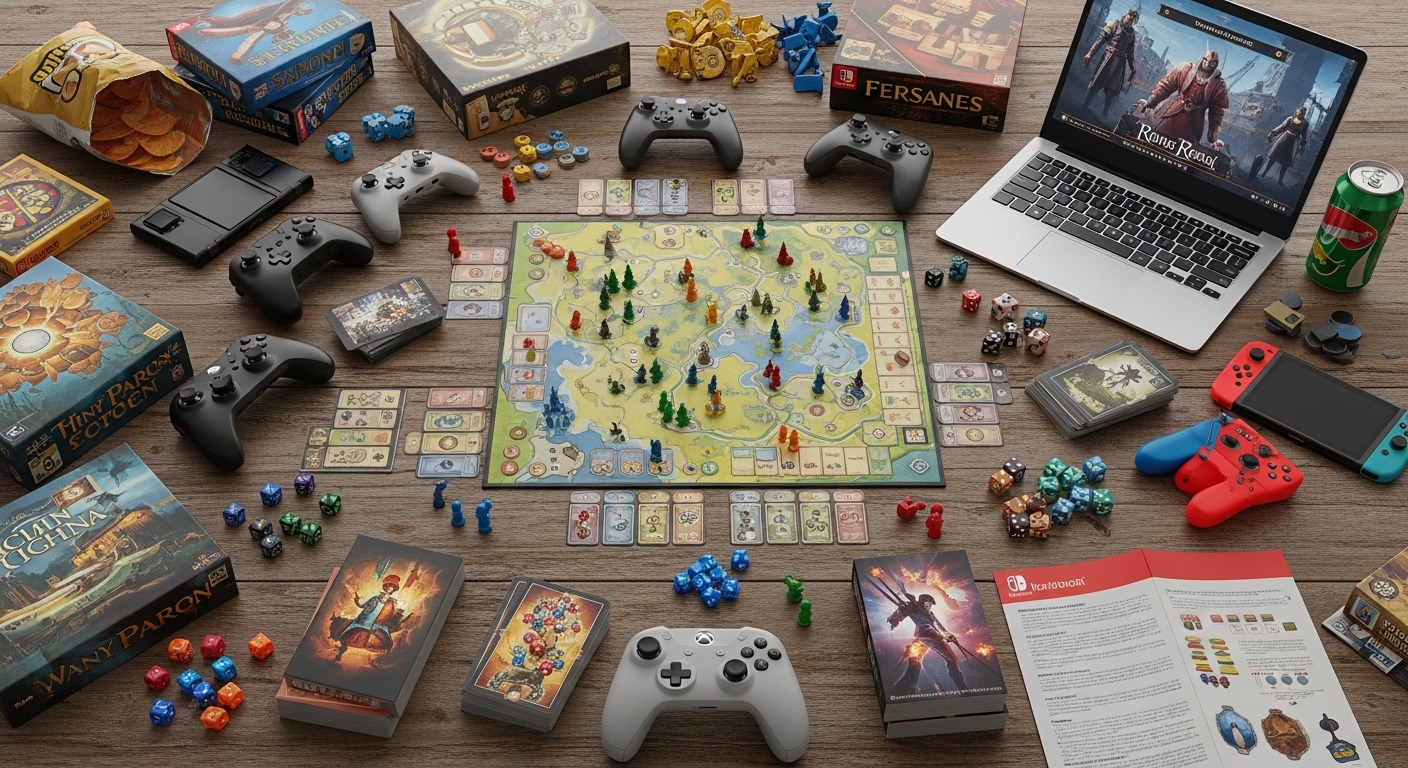
The Everlasting Appeal of Games
Games have been a part of human culture for centuries. From traditional board games to modern digital experiences, they entertain, challenge, and connect people. Whether played casually among friends or competitively in tournaments, games offer joy, excitement, and a sense of achievement. They are a universal way to bring people together and spark creativity.
Games as Tools for Learning
Games are more than just fun—they are powerful tools for learning. Strategy games improve problem-solving and critical thinking, while puzzles enhance memory and focus. Educational games introduce complex concepts in an interactive way, making learning enjoyable and effective. Even casual games teach patience, planning, and adaptability, valuable skills that extend beyond the game itself.
Building Social Skills Through Play
Many games encourage teamwork, communication, and collaboration. Multiplayer games, both offline and online, require players to coordinate strategies and support one another. These experiences teach valuable social skills, help form friendships, and foster a sense of community. Through games, people learn how to work together, negotiate, and celebrate collective achievements.
Creativity and Imagination in Games
Games provide a unique platform for creativity. Role-playing games, simulations, and sandbox games allow players to craft stories, design worlds, and explore endless possibilities. Customizing characters, building structures, and solving challenges within a game stimulates imagination and inspires innovative thinking that can influence real-life problem-solving.
The Role of Technology in Modern Gaming
Technology has revolutionized gaming, making it more immersive and interactive. Advanced graphics, virtual reality, and augmented reality create experiences that feel almost real. Online gaming allows players from different parts of the world to connect, compete, and collaborate, forming global communities around shared interests. Technology ensures that gaming continues to evolve and captivate audiences.
Games as a Professional Path
Games are no longer just hobbies—they have become professional careers. Esports, game development, streaming, and content creation are thriving industries. Competitive tournaments and live streaming platforms provide recognition and opportunities for talented players, turning passion into a viable profession. Gaming has evolved into a serious field that rewards skill, dedication, and creativity.
The Future of Gaming
The future of games promises even greater innovation. Artificial intelligence, immersive virtual worlds, and cloud gaming will continue to transform experiences. Games will become more interactive, educational, and socially engaging, offering new ways for players to connect, compete, and learn. The potential for growth and creativity in gaming is limitless.
Conclusion
Games are more than a pastime—they are a medium for entertainment, learning, creativity, and social connection. They challenge the mind, inspire imagination, and foster collaboration. In every match played and every challenge overcome, games remind us of the joy of play and the endless possibilities it offers. They are a powerful force shaping how we interact, learn, and grow in the modern world.